































Petén

Tikal National Park

printer iconPrintemail iconEmailfavorites iconSave to Favorites

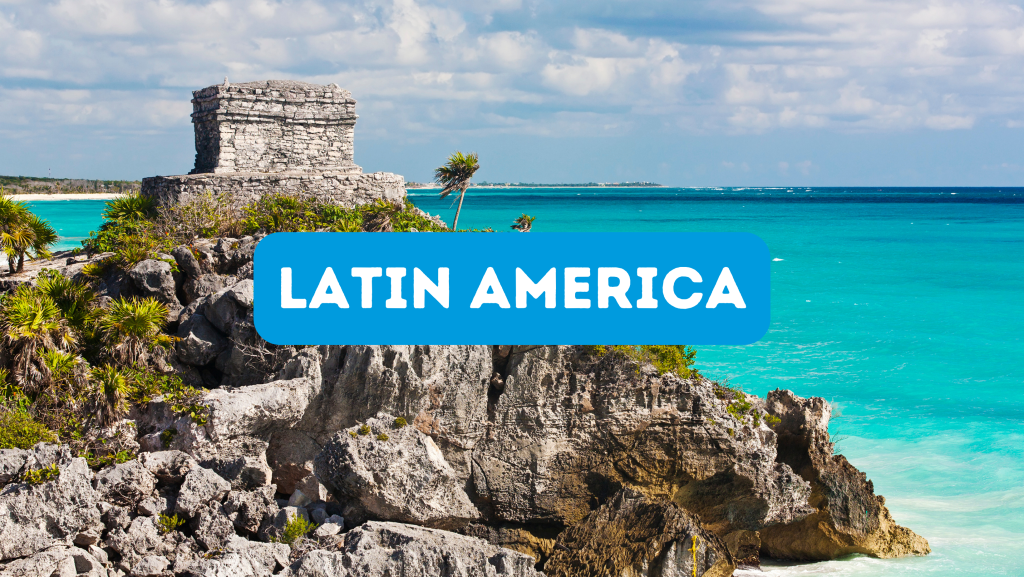
Tikal National Park, the oldest and best known of Guatemala’s national parks, was created in 1956. It encompasses 575 square kilometers (222 square miles) of primary tropical forest and protects a vast array of wildlife, as well as harboring the remains of one of the Mayan civilization’s greatest cities. Tikal is understandably high on the list of priorities for any visitor to Guatemala and shouldn’t be missed, as it affords the unique opportunity to visit to a site of mammoth historical importance both in terms of natural and human heritage. Owing to its singular importance, UNESCO declared Tikal National Park a World Heritage Site in 1979.

Tikal’s towering Temple I dominates The Great Plaza and is an icon for Guatemala itself. Perhaps not as readily apparent, Tikal National Park also represents the ongoing effort to protect what remains of Petén’s tropical forest ecosystem.

The park is at the edge, geographically speaking, of The Maya Biosphere Reserve, but at the very heart and soul of what conservationists and archaeologists are trying to protect. The conservation of Petén’s rich archaeological and natural treasures has the potential to provide a livelihood to a growing population of peteneros long after any perceived benefits from clearing the forests for short-term gain.

The lessons learned from Tikal’s 50-plus-year existence can help conservationists better manage newer parks deeper inside the forest reserve, which will eventually be open to increasing numbers of visitors. Whatever the approach to managing these newer parks, what is certain is that Petén’s vast wealth as the heartland of the Mayan civilization remains largely untapped.

If you are fortunate enough to visit Tikal, go home with the knowledge that you have been afforded a glimpse into the vast wilderness that remains mostly untouched north of this complex. In the forests beyond Tikal are countless other sites, some still undiscovered, which deserve as much protection and require the vigilance of international travelers and activists to ensure their continued preservation.

Getting There

Most people arrive here from Flores, El Remate, or Belize. See the corresponding sections for information on how to get here. Minibuses leave Tikal from the airstrip fairly frequently, particularly after about noon, heading south toward El Remate, Ixlú, and Flores. Change buses at Ixlú if you’re heading east to Belize. If all else fails, a taxi to Flores should cost about $40.

Buy Moon Travel Guides

Loading books
loading
For more Moon travel information, sign up for our monthly e-newsletter for updates on new travel guide releases, travel tips and trip ideas for those seeking adventure or relaxation, and expert advice from our on-the-go Moon travel authors.

Find Activities>>