

































Natal
Trip Ideas
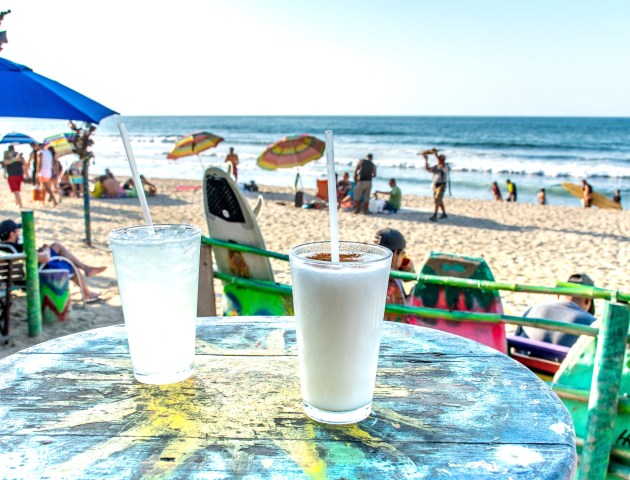
The main reason for visiting the small capital of Rio Grande do Norte is to take advantage of its endless amounts of sun and sand. In truth, Natal’s beaches never stop. They just keep going for hundreds of kilometers to the north and south of town.
In 1501, Portuguese navigator Amerigo Vespucci landed 32 kilometers (20 miles) north of Natal at the northeastern tip of South America (and the closest point to Europe from Brazil), a spot he christened Cabo São Roque. Despite this new discovery, for decades Portugal showed little interest in the sweeping coastline inhabited by the Potiguar tribe.
But in 1597, annoyed by the growing pau brasil (brazilwood) trade between French pirates and the Potiguar, the Portuguese decided to get territorial. They proceeded to build the Forte dos Reis Magos, an imposing fortress that guarded the entrance to the Rio Potengi from the sea.
Officially established on December 25, 1599, the village that rose up around the fort became known as Natal (Christmas). Once the French were expelled, subsequent Dutch invaders were defeated, and the aggressive Potiguar subdued, Natal settled down into its role as a small outpost.
The presence of great sand dunes kept Rio Grande do Norte from enjoying the heady sugarcane riches of other northeastern colonial towns. Despite its coastline, for centuries the state’s main source of revenue came from the cattle that were raised in the interior, but traded and shipped from Natal.
During World War II, Natal’s strategic proximity to Western Europe and Africa led to the establishment of an American air base that became the Allies’ military base for operations into North Africa. As a result, thousands of American pilots and soldiers flooded Natal’s dunes, and Natalenses became the first Brazilians to be introduced to ketchup, bubble gum, and blue jeans.
However, it wasn’t until the latter 20th century that the growth of the salt and petroleum industries—Rio Grande do Norte is the largest salt producer in Brazil and has the biggest inland oil reserves in Brazil—coupled with nascent tourism, caused the city to grow in leaps and bounds, acquiring a modern skyline of high-rise condos and hotels.
Getting There
Flights from all over Brazil arrive at the Aeroporto Augusto Severino (Rua Eduardo Gomes, tel. 84/3643-1000), which lies 15 kilometers (9.5 miles) from the center of town and 12 kilometers (7.5 miles) from Praia Ponta Negra. A taxi costs R$35–40 (downtown) and R$25–30 to Ponta Negra. You can also take a municipal bus marked “Via Costeira,” which passes through Ponta Negra and the Via Costeira coastal highway on its way to Centro.
Long-distance buses arrive at the rodoviária (Av. Capitão Mor Gouveia 1237, Cidade Esperança, tel. 84/3205-4377), which is 5 kilometers (3 miles) away from both downtown and Ponta Negra.
© Michael Sommers from Moon Brazil, 2nd Edition
Buy Moon Travel Guides
Search
Moon Travel Guides make independent travel and outdoor exploration fun and accessible. With expert and adventurous travel writers delivering a mix of honest insight, first-rate strategic travel advice, insider travel tips and an essential dose of humor, Moon Travel Guides ensure that travelers have an uncommon and entirely satisfying experience. Each travel book is filled with unique trip ideas, easy-to-use maps, and detailed information on sights, restaurants, and accommodations. Moon Travel Guides not only point you in the right direction, they inspire new ideas and adventure. Whether you are seeking a relaxing beach trip to Hawaii, or an adventure travel trip to the rainforests of Costa Rica, Moon guidebooks—and Moon.com—are with you every step of the way. Founded in 1973, the Moon Travel Guides series includes Moon Handbooks, Moon Outdoors, Moon Metro, Moon Living Abroad and Moon Spotlight travel books. Moon is based in Berkeley, California and is a proud member of the Perseus Books Group.