







































Sights

printer iconPrintemail iconEmailfavorites iconSave to Favorites

The two main towns on Ilha de Marajó are Soure and Salvaterra. Soure (www.soure.tur.br) is the largest and most lively of the two. Founded in the 17th century on the mouth of the Rio Paracauari, it is an enticing place with pastel-painted houses shaded by palms and mango trees. Most of the island’s hotels, restaurants, and services (including the island’s Banco do Brasil with an ATM that should accept international cards) can be found here as well as the closest semblance to a nightlife. During the second weekend of November, Soure hosts its own small, but enchanting Círio de Nazaré.

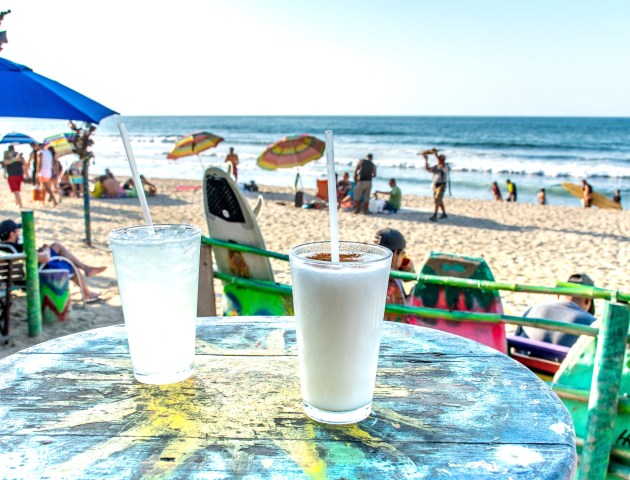
Surrounding the town are some wonderful beaches. A 3-kilometer (2-mile) walk (or bike ride) north brings you to Praia Barra Velha, and a little further on, across the Rio Araruna, is the even more striking Praia de Arauna. Praia do Pesqueiro is a more popular beach, 9 kilometers (6 miles) from Soure (accessible by bus). Its blue-green waters are dotted with fishing boats. Their catch of the day is served at the palm-thatched beach barracas.

On the other side of the Rio Paracauari, facing the Baía de Marajó, equally pretty Salvaterra (www.salvaterra.tur.br) has a more languid air and boasts proximity to Praia Grande, a sweeping ocean beach backed by palms. Around 16 kilometers (10 miles) south of Salvaterra is Joanes. This tiny village is known for its pretty golden sand beach and the atmospheric ruins of a 17th-century church built by Jesuits who were the first Europeans to settle the island. A historic source of contention between Spain and Portugal revolves around the fact that, in 1500, Spanish navigator Vicente Yañez Pinzón landed on Joanes’s beach—two months before Pedro Alvarez de Cabral “discovered” Brazil and claimed it as Portuguese territory.

Although you can see examples of cerámica marajoara in Belém’s Museu Emílio Goeldi and the Forte do Presépio, the largest and most splendid collection of these unique thousand year-old pieces is housed in the Museu do Marajó (Av. do Museu 1983, tel. 91/3578-1102, www.museudemarajo.com.br, 8 a.m.–6 p.m. daily, R$2), along with other vestiges of Marajoara culture. Located in the pretty town of Cachoeira do Arari, 70 kilometers (43 miles) from Salvaterra, the museum can be reached by boat or car or van along a bumpy dirt road.

Buy Moon Travel Guides

Loading books
loading
For more Moon travel information, sign up for our monthly e-newsletter for updates on new travel guide releases, travel tips and trip ideas for those seeking adventure or relaxation, and expert advice from our on-the-go Moon travel authors.

Find Activities>>

Moon Travel Guides make independent travel and outdoor exploration fun and accessible. With expert and adventurous travel writers delivering a mix of honest insight, first-rate strategic travel advice, insider travel tips and an essential dose of humor, Moon Travel Guides ensure that travelers have an uncommon and entirely satisfying experience. Each travel book is filled with unique trip ideas, easy-to-use maps, and detailed information on sights, restaurants, and accommodations. Moon Travel Guides not only point you in the right direction, they inspire new ideas and adventure. Whether you are seeking a relaxing beach trip to Hawaii, or an adventure travel trip to the rainforests of Costa Rica, Moon guidebooks—and Moon.com—are with you every step of the way. Founded in 1973, the Moon Travel Guides series includes Moon Handbooks, Moon Outdoors, Moon Metro, Moon Living Abroad and Moon Spotlight travel books. Moon is based in Berkeley, California and is a proud member of the Perseus Books Group.