



















Baja & Cabo

Discover Baja

printer iconPrintemail iconEmailfavorites iconSave to Favorites

All travelers who make the journey to the tip of the Baja Peninsula remember their first taste of the “real” Baja. Maybe they chanced upon a baby turtle release and sipped beers with the conservation guide while watching the little ones tumble into the sea. Maybe they encountered kindred spirits at a surf break on the Pacific and decided to caravan around the Cape together. Or perhaps their 10-year-old pickup truck would no longer shift into reverse the moment they crossed the border.

The typical pattern goes something like this: Fly to a coastal destination for a short trip to see what the fuss is all about. Return for a longer vacation a year later with family or friends in tow. Then plan a sabbatical, take a leave of absence, retire early, or volunteer to shuttle supplies to a local charity — any excuse to spend a season exploring every beach and town from Ensenada to Cabo San Lucas.

The first maps of Baja California, drawn by 16th-century Spanish explorers, depicted it not as a peninsula but as an island. Lured by tales of gold cities and a kingdom of warrior women, the conquistadors were among the first in a long line of seekers who have approached Baja’s shores with a sense of mystery. Though the maps have long since been corrected, explorers continue to tramp the peninsula with dreams of finding Shangri-La in a hidden canyon or secluded cove.

Scattered along Baja’s natural and artificial borders are outward concessions to the modern world — including Mexico’s fifth-largest city — as well as sufficient recreational opportunities to satisfy the most hedonistic refugees from that same world. This is one Baja: a peninsula wedged between one of the world’s wealthiest and most technologically advanced countries and one struggling to develop with dignity.

But another Baja remains an island, in spite of 21st-century mapping. For four centuries, this Baja has stubbornly resisted the efforts of outsiders to bring “civilization” into its rugged interior. The fortunate few who make it to the cultural and geographic heart of the peninsula will find that it belongs to an era lost long ago to most of North America.

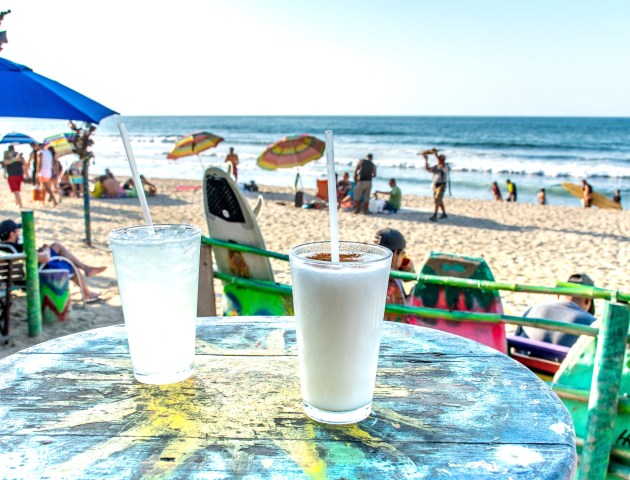
Between these seeming polar opposites, the visitor can pick and choose from a broad spectrum of travel experiences. Whether it’s stretching out on a beach towel, margarita in hand, at the edge of the Sea of Cortez, or hoisting a backpack and hiking deep into the sierras — whether it’s perusing the art galleries of Todos Santos or wandering the neon-bathed bars of Tijuana — Baja offers something for just about every proclivity.

Standing physically and culturally apart from the rest of Mexico, Baja California (Norte) and Baja California Sur represent a side of the country largely unfamiliar to foreigners and mainland Mexicans alike.

Often dubbed “the other Mexico,” the 1,000-kilometer peninsula is in some ways more sophisticated, in other ways more untamed, than the mainland. If your mental picture of Mexico conjures up Aztec temple ruins and grand Spanish baroque cathedrals, you’re in for a surprise — you won’t find these anywhere in Baja. Most of the architecture visible today in Baja was created only within the last 200 years.

Bajacaliforniano culture likewise stands apart from that of mainland Mexico. Although the cuisine, regional literature, and social patterns of the peninsula share much in common with Mexico as a whole, the visitor will notice myriad small differences. Whether it’s the way they fashion rustic furniture from palo de arco or the way they fillet halibut for a fish taco, bajacalifornianos are proud of the many ways in which they don’t conform to the rest of Mexico.

Although this “forgotten peninsula” every year gains more development and better facilities, the farther and deeper you explore, the farther you get from Baja’s border cities and main highways, the closer you’ll come to the “real” Baja of remote villages, fish camps, empty beaches, and rugged islands. Much of the peninsula remains a true frontier with an attendant frontier ethos. If you run out of gas or need help fixing a tire, don’t be surprised to find a seemingly impoverished fisherman or rancher coming to your aid and then politely refusing a fistful of pesos in return, declaring sincerely, “Out here we are all brothers.”

Buy Moon Travel Guides

Loading books
loading
For more Moon travel information, sign up for our monthly e-newsletter for updates on new travel guide releases, travel tips and trip ideas for those seeking adventure or relaxation, and expert advice from our on-the-go Moon travel authors.

Find Activities>>