
































Zion National Park
Trip Ideas
Explore Further
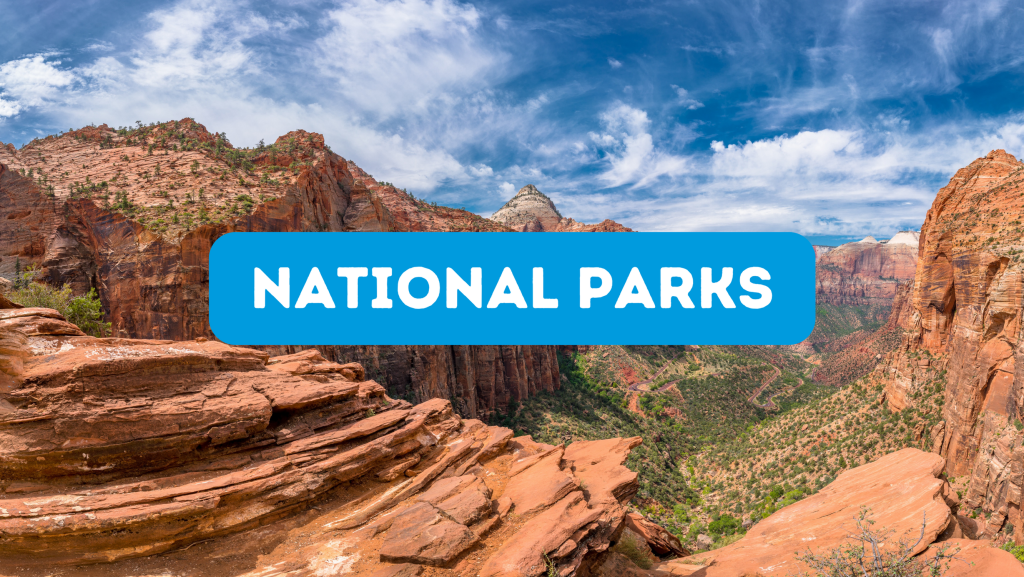
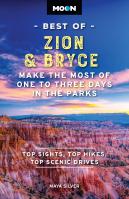
Zion National Park (435/772-3256, www.nps.gov/zion, $25 per vehicle, $12 per person for pedestrians, bicyclists, and motorcyclists) is a magnificent park, with stunning, soaring scenery.
When you visit Zion, the first thing to catch your attention will be the sheer cliffs and great monoliths of Zion Canyon reaching high into the heavens.
Energetic streams and other forces of erosion created this land of finely sculptured rock. Little trickles of water, percolating through massive chunks of sandstone, have created both dramatic canyons and markedly undesertlike habitats, enabling an incredible variety of plants to find niches here.
The large park spreads across 147,000 acres and contains eight geologic formations and four major vegetation zones. Elevations range from 3,666 feet in lower Coalpits Wash to 8,726 feet atop Horse Ranch Mountain.
The highlight for most visitors is Zion Canyon, which is approximately 2,400 feet deep. Zion Canyon Scenic Drive winds through the canyon along the North Fork of the Virgin River past some of the most spectacular scenery in the park. (During the spring, summer, and early fall, a shuttle bus ferries visitors along this route.)
Hiking trails branch off to lofty viewpoints and narrow side canyons. Adventurous souls can continue on foot past the road's end into the eerie depths of the Virgin River Narrows in upper Zion Canyon.
The spectacular Zion-Mount Carmel Highway, with its switchbacks and tunnels, provides access to the canyons and high plateaus east of Zion Canyon. Two other roads enter the rugged Kolob section northwest of Zion Canyon. The Kolob, named after a Mormon term meaning "the brightest star, next to the seat of God," includes wilderness areas rarely visited by humans.
Kolob Canyons Road, in the extreme northwestern section of the park, begins just off I-15 Exit 40 at the Kolob Canyons Visitor Center and climbs to an overlook for great views of the Finger Canyons of the Kolob; the drive is 10 miles round-trip.
Motorists with more time may also want to drive the Kolob Terrace Road to Lava Point for another perspective on the park; this drive is about 44 miles round-trip from Virgin (on Hwy. 9) and has some unpaved sections.
Zion's grandeur extends all through the year. Even rainy days can be memorable as countless waterfalls plunge from every crevice in the cliffs above. Spring and autumn are the choice seasons for the most pleasant temperatures and the best chances of seeing wildlife and wildflowers. About mid-October-early November, cottonwoods and other trees and plants blaze with color.
Summer temperatures in the canyons can be uncomfortably hot, with highs hovering above 100°F. It's also the busiest season. In winter, nighttime temperatures drop to near freezing and weather tends to be unpredictable, with bright sunshine one day and freezing rain the next. Snow-covered slopes contrast with colorful rocks. Snow may block some of the high-country trails and the road to Lava Point, but the rest of the park is open and accessible year-round.
The Best of Zion National Park
- Zion Canyon Visitor Center
- Court of the Patriarchs Viewpoint
- Emerald Pools Trails
- West Rim Trail to Angels Landing
- Hidden Canyon Trail
- Riverside Walk
Getting to Zion National Park
Zion National Park is 43 miles northeast of St. George, 60 miles south of Cedar City, 41 miles northwest of Kanab, and 86 miles southwest of Bryce Canyon National Park. There are two entrances to the main section of the park: from Springdale you enter the south end of Zion Canyon, right near the visitor center and the Zion Canyon shuttle buses; from the east, you come in on the Zion-Mount Carmel Highway, pass through a long tunnel, then pop into Zion Canyon a couple of miles north of the visitor center.
There's a separate entrance for the Kolob Canyons area, in the park's northwest corner. A far-less-traveled part of the park is accessed by Kolob Terraces Road, which heads north from Highway 9 at the tiny town of Virgin and goes to backcountry sites. (There's no entrance station on this road.)
Large RVs and bicycles must heed special regulations for the long tunnel on the Zion-Mount Carmel Highway, near the park's east entrance.
Kolob Canyons Road, in the extreme northwestern section of the park, begins just off I-15 Exit 40 at the Kolob Canyons Visitor Center and climbs to an overlook for great views of the Finger Canyons of the Kolob; the drive is 10 miles round-trip.
© W.C. McRae and Judy Jewell from Moon Utah, 9th Edition
Buy Moon Travel Guides
Search
Moon Travel Guides make independent travel and outdoor exploration fun and accessible. With expert and adventurous travel writers delivering a mix of honest insight, first-rate strategic travel advice, insider travel tips and an essential dose of humor, Moon Travel Guides ensure that travelers have an uncommon and entirely satisfying experience. Each travel book is filled with unique trip ideas, easy-to-use maps, and detailed information on sights, restaurants, and accommodations. Moon Travel Guides not only point you in the right direction, they inspire new ideas and adventure. Whether you are seeking a relaxing beach trip to Hawaii, or an adventure travel trip to the rainforests of Costa Rica, Moon guidebooks—and Moon.com—are with you every step of the way. Founded in 1973, the Moon Travel Guides series includes Moon Handbooks, Moon Outdoors, Moon Metro, Moon Living Abroad and Moon Spotlight travel books. Moon is based in Berkeley, California and is a proud member of the Perseus Books Group.