















The Land

printer iconPrintemail iconEmailfavorites iconSave to Favorites

The largest and lowest Central American country, Nicaragua is a nation of geographical superlatives. Located at the elbow where the Central American isthmus bends and then plummets southward to Panamá, Nicaragua is almost dead center between North and South America.

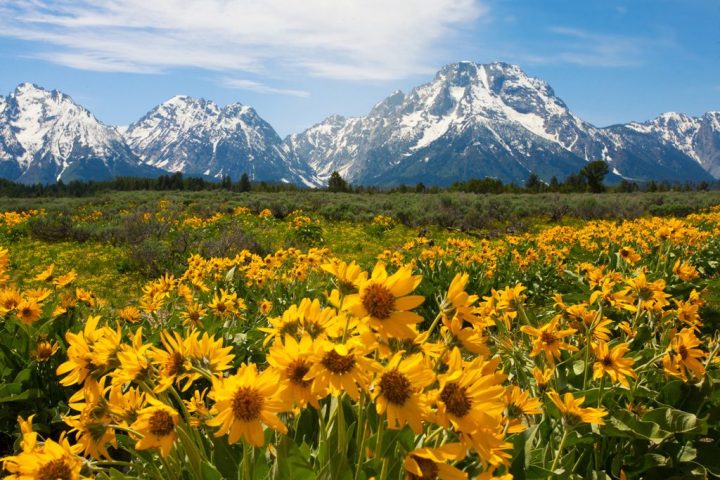
Part of a biological corridor that for millions of years has allowed plant and animal species from two continents to mingle, it boasts an extraordinary blend of flora and fauna.

In the 16th century, Nicaragua’s geographical beauty enchanted the conquistadores, who reported, “The Nicaraguan plains are some of the most beautiful and pleasant lands that can be found in the Indies because they are very fertile with mahicales and vegetables, fesoles of diverse types, fruits of many kinds and much cacao.”

Nicaragua is roughly triangular in shape and dominated by two large lakes in the southwest. Its 530-kilometer-long, northern border with Honduras, the longest transect across the Central American isthmus. To the south, the southern shore of the Río San Juan defines the better part of the Nicaraguan–Costa Rican border. Wholly within Nicaragua, the San Juan has been a continual source of conflict with Costa Rica to this day, whose attempts to navigate and patrol the river have been met aggressively by the Nicaraguan government.

To the east and west lie the Caribbean Sea and the Pacific Ocean, respectively. With 127,849 square kilometers of land area, Nicaragua is approximately the size of Greece or the state of New York. But Nicaragua has lost some 50,000 square kilometers to her neighbors over the past several centuries: the eastern third of what is now Honduras, as well as the now–Costa Rican territories of Nicoya and Guanacaste, plus the Caribbean island of San Andrés.

Administratively, the nation is divided into 15 units called departamentos, and two vast autonomous regions on the Atlantic coast known as the North and South Atlantic Autonomous Regions (RAAN and RAAS). The departments, in turn, consist of 145 municipalities. The two autonomous regions elect their own officials on a separate electoral calendar. Nicaragua’s three largest cities are Managua, León, and Granada, followed by Estelí, Masaya, and the remaining department capitals.

Buy Moon Travel Guides

Loading books
loading
For more Moon travel information, sign up for our monthly e-newsletter for updates on new travel guide releases, travel tips and trip ideas for those seeking adventure or relaxation, and expert advice from our on-the-go Moon travel authors.

Find Activities>>

Moon Travel Guides make independent travel and outdoor exploration fun and accessible. With expert and adventurous travel writers delivering a mix of honest insight, first-rate strategic travel advice, insider travel tips and an essential dose of humor, Moon Travel Guides ensure that travelers have an uncommon and entirely satisfying experience. Each travel book is filled with unique trip ideas, easy-to-use maps, and detailed information on sights, restaurants, and accommodations. Moon Travel Guides not only point you in the right direction, they inspire new ideas and adventure. Whether you are seeking a relaxing beach trip to Hawaii, or an adventure travel trip to the rainforests of Costa Rica, Moon guidebooks—and Moon.com—are with you every step of the way. Founded in 1973, the Moon Travel Guides series includes Moon Handbooks, Moon Outdoors, Moon Metro, Moon Living Abroad and Moon Spotlight travel books. Moon is based in Berkeley, California and is a proud member of the Perseus Books Group.