


























Grand Canyon

Discover Grand Canyon

printer iconPrintemail iconEmailfavorites iconSave to Favorites

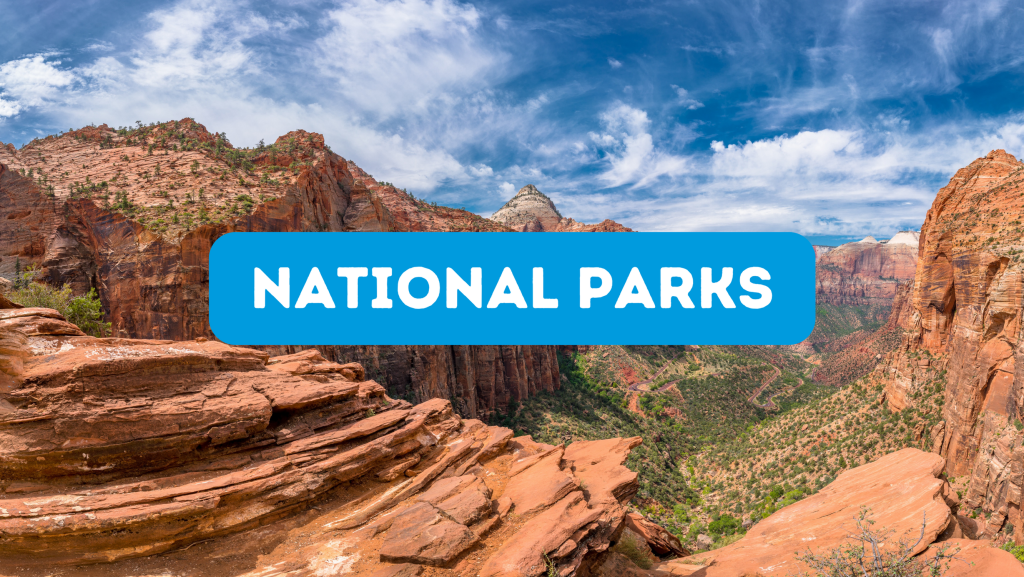
Grand Canyon is so vast and rugged that it seems completely beyond the human experience. Yet people have lived along its river and rim for 10,000 years, moving with the seasons and leaving behind signs of their passing in rock art, stone pueblos, or pottery shards. The canyon’s diverse environments, from low desert to montane forest, support more than 2,000 species of plants, mammals, birds, reptiles, amphibians, and fish, including several endangered and threatened species.

The canyon’s cliffs, in a layered spectrum of reds, oranges, grays, and tans, record three eras of geological time, with rocks along the Colorado River that are two billion years old. The canyon itself is “only” five or six million years old… and still changing. Wind and moisture continue to sculpt fantastical stone shapes one grain of sand at a time.

But nature doesn’t always work slowly — a room-sized platform of limestone at Mather Point toppled overnight after appearing in thousands of postcards and snapshots. One storm turned Crystal Rapid from a mellow ride to a feared 10-plus torrent. (River runners score rapids from 1 to 10, with 10 being the most challenging.)

Grand Canyon National Park’s mile-deep abyss and 1.2 million acres hold a multitude of experiences and environments, from the North Rim’s boreal forests to the desert environs along the Colorado River, from bustling Grand Canyon Village to wild and lonesome wilderness. Visitors can tour a thousand-year-old pueblo or step onto the Skywalk, the 70-foot-long glass-bottomed observation deck stretching over Grand Canyon West at the Hualapai reservation.

Ever since travelers began coming to the canyon more than 100 years ago, they have struggled to describe its vastness. Sinuously curved side canyons, secret waterfalls, towering monuments of stone — any one of these would be a landmark attraction someplace else. Here, places like Vishnu Temple, Elves Chasm, or Vasey’s Paradise are just small pieces of a whole that is considered one of the world’s seven greatest natural wonders.

In 1903, Teddy Roosevelt urged every American to see Grand Canyon. Today, some five million visitors each year explore the canyon’s expanses by hiking, backpacking, mule riding, or river rafting. With something here for everyone, Grand Canyon truly is America’s park.

Browse Books

Loading books
loading

Want More Moon?

Click here to sign up for the monthly moon.com email newsletter.

Find Activities>>