
















Discover Belize

printer iconPrintemail iconEmailfavorites iconSave to Favorites

My first morning in Belize it was raining and warm. I got up before daybreak and followed the crowds to the water’s edge in Belize City. There, the gray, humid dawn delivered a festooned flotilla of wooden dories to the dock in Haulover Creek. It was November 19, Settlement Day, the Garinagu people’s annual reenactment of their ancestors’ 1832 arrival to Belizean shores. Drums, smiles, and biting belts of gífit, or “bitters,” were on hand as I walked with the celebrants through Belize City’s narrow streets. People were singing and drumming, dancing and marching; there were shouts and umbrellas, black-and-yellow flags, babies crying, and the rain.

Belize took me by surprise that day, wasting no time in knocking down any misconceptions I’d held about this tucked-away, hyped-up little country. Expect a similar revelation if this is your first trip here. If you’ve traveled in other parts of Central America; Belize is different. From your first breath of skunky jungle air as you step off the plane to the sand between your toes that evening, Belize will inspire you to relax, invite you to explore, and offer many new flavors for your palate: From the coconut shavings in your rice-and-beans and the large lick of rum in your “Panty Ripper” to the butter that pools in your conch soup while your belly absorbs the chewy nutrition of another Belikin Stout.

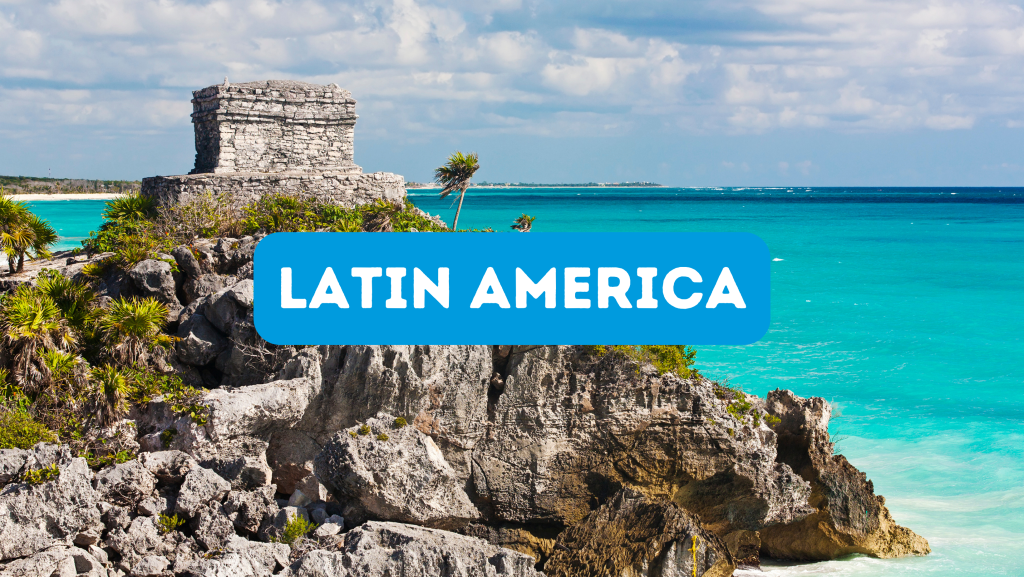
But you came to Belize for more than food and drink. You came to see the shapes, colors, and creatures under those lapping waves, for world-class diving and snorkeling on the hemisphere’s largest barrier reef; you came to walk through prehistoric tree ferns and ancient religious plazas in dozens of Maya archeological sites; to see birds, insects, cats, and critters in Belize’s vast tracts of forest. And you came to meet some of the 290,000 Belizeans hailing from a multitude of Creolized cultures.

Belize, formerly British Honduras, gained independence only in 1981 and exudes as many Latin American as Caribbean qualities. Belizeans are still defining their national identity as they struggle with all kinds of challenges — from ancient ones like hurricanes and government corruption, to modern issues such as free trade, AIDS, and illegal drugs.

Throughout it all, more and more gringos (Belizeans’ playful term for any pale-skinned foreigner) come to play, to purchase a “piece of paradise,” to make (and lose) a buck, to learn, to teach, to recreate, and to simply explore. From the steady stream of backpackers and scuba divers who have been enjoying this isthmus “backwater” for decades, to the rich and famous Hollywood types, Belize has become a hot destination in the 21st century. The country’s English-speaking, affable citizens make things easy, its proximity to the United States and Canada makes it close, and its wealth of creative accommodations and ultra-active menu of tours make Belize a natural place to visit.

Yet as tourists continue to arrive, the country is faced with difficult questions: Will Belize choose the hyper-developed mass tourism route of cruise ships and Cancún? Or will it align with the more sustainable successes of Costa Rica? Is Belize capable of making big self-governing decisions? Or will its fate always be at the mercy of more powerful nations and foreign corporations? How it will all play out is anybody’s guess, but what’s for sure is that the road of tourism carries its own rewards, risks, and interesting encounters. There is no doubt that Belize is on that road and, on that rainy morning in Belize City, so was I.

Life’s problems were forgotten as the parade marched across the old Swing Bridge. The first light of the day had become a bright, suffused whiteness in a light drizzle, and the masts of fishing boats reflected on the water’s smooth surface below, with the smell of low tide, fish, and gasoline providing the background. As we turned onto Front Street, a man next to me beat on a string of turtle shells dangling from his neck, coordinating his rhythm with his fellow percussionists. At the entrance to their church, I stepped aside and watched waves of wet, shiny people wash up the church’s stairs, drums and flags never ceasing.

My first day in Belize gave me this view of the country, this damp, convivial experience. My second day, driving inland to Cayo, gave me another view, one with river crossings, mystic pyramids, and the roar of baboons. On my fifth day, I saw Belize through a curtain of giant grouper and reef sharks, deep inside the Blue Hole. As I continue to travel, meet, and explore this country, I am struck by its incomparable mood and beauty, and by its wildly unique cultural and geographical diversity.

Your experience will be just as personal. It will begin the moment you decide to go to Belize.

Buy Moon Travel Guides

Loading books
loading
For more Moon travel information, sign up for our monthly e-newsletter for updates on new travel guide releases, travel tips and trip ideas for those seeking adventure or relaxation, and expert advice from our on-the-go Moon travel authors.

Find Activities>>